 Rongsheng Refractories Group
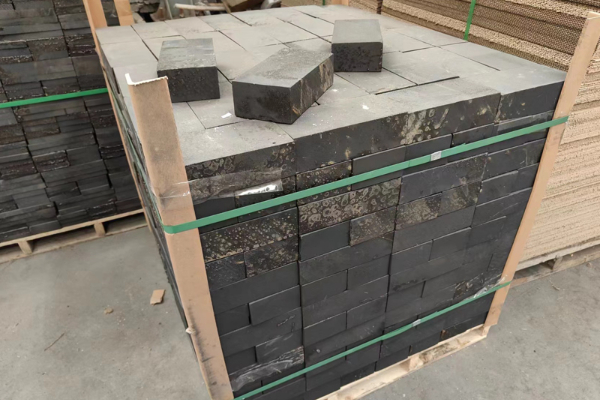
Introduction of anti-corrosion carbon brick
Anti-corrosion carbon bricks use petroleum calcined coke as aggregates, metallurgical coke and graphite powder, and as a binder – phenolic resin. After mixing (The binder is liquid phenolic resin), stamping, high temperature curing and subsequent impregnation with liquid phenolic resin, it is processed by such processes, like curing and hardening, and has increased acid resistance and corrosion resistance. It is an ideal anti-corrosion cladding material for the chemical industry., production of phosphate fertilizers, electricity, metallurgy, mining industry, nuclear energy, oil, water treatment, etc..

Characteristics of graphite carbon brick
Excellent corrosion resistance
The product uses calcined petroleum coke as a filler., and as a binder – coal tar pitch. The finished product is resistant to acids and alkalis, as well as high temperatures.
Stable performance characteristics and high durability
The product is fried at high temperature, and its structure is extremely stable. The structure of the product will not change with temperature changes.
Exact appearance and dimensions
The finished product is molded, and then processed by machine with good quality and accurate dimensions. All products can be manufactured according to user requirements and can fully meet the various requirements of construction and masonry technology.
Physico-chemical indicators of anti-corrosion carbon bricks
| Subject | unit of measurement | Anti-corrosion carbon brick |
| Capacity | G/cm3 | 1.65-1.7 |
| Compressive strength | MPa | >45 |
| Flexural strength | MPa | >12 |
| Maximum operating temperature | ℃ | 150 |
| Intrusion protection | MPa | 0.8 |
What acidic substances can anti-corrosion carbon bricks combat??
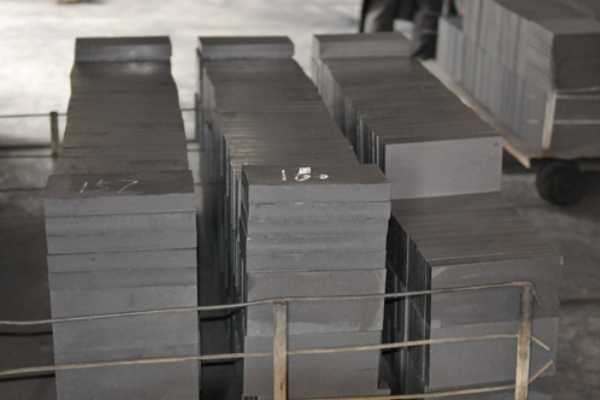
Anti-corrosion carbon bricks can be used in some environments with hydrofluoric acid and hot phosphoric acid, and acid-resistant bricks or acid-resistant ceramic tiles can be used in acidic environments, such as sulfuric acid, hydrochloric acid and nitric acid.