 Rongsheng Refractories Group
What are the classifications of corundum bricks?
As a highly effective fireproof material, corundum brick is widely used in industry. This article will introduce two main categories of corundum bricks: fused corundum brick and sintered corundum brick, and also discusses the areas of their application, characteristics and production processes.
Introduction to Fused Corundum Brick
Fused corundum brick production process
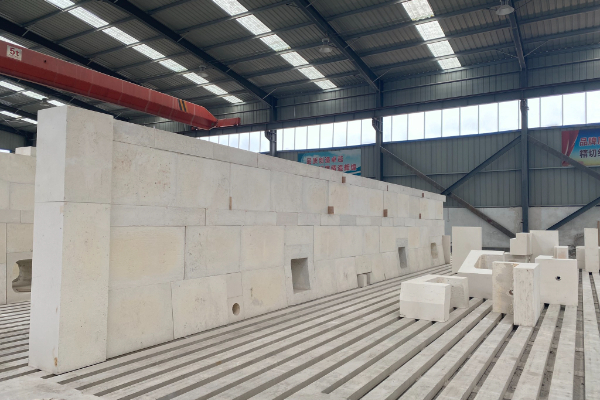
Fused corundum bricks – these are fireproof products, made from aluminum oxide powder by high-temperature electrofusion. During the preparation process, alumina ore is first crushed, then subjected to high-temperature electric melting in an electric arc furnace and, finally, hardens on cooling to form hard corundum bricks.
Characteristics of fused corundum brick
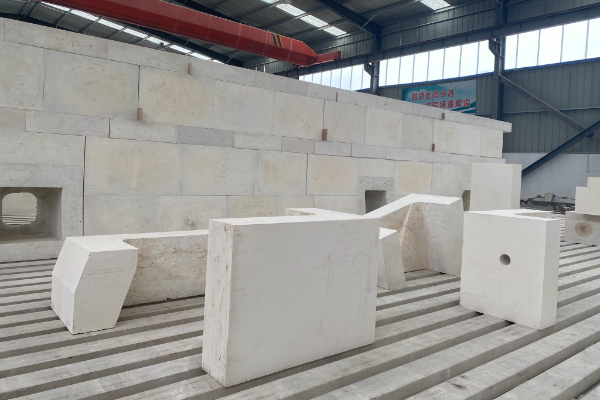
Thanks to its high density, high compressive strength, resistance to high temperatures, corrosion and other characteristics, Fused corundum bricks are widely used in the cladding and insulation layer of high temperature industrial equipment, such as electrolytic aluminum tanks and glass melting furnaces.
Introduction to Sintered Corundum Bricks
Production process of sintered corundum brick
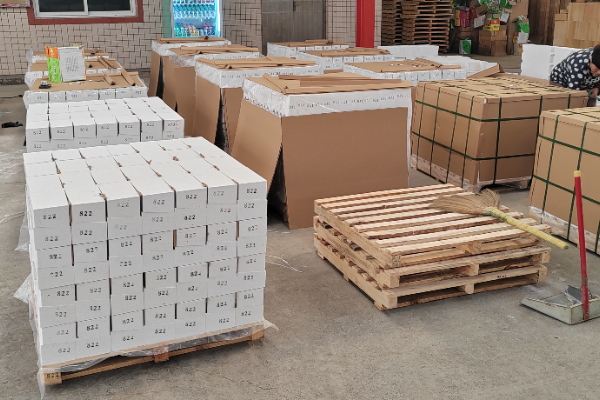
Sintered Corundum Brick – this is a fireproof product, made from aluminum oxide powder, sintered under high temperature conditions. During the preparation process, aluminum oxide powder is molded or extruded, and then put into high temperature sintering oven, so that the particles combine and form a solid brick.
Characteristics of sintered corundum brick
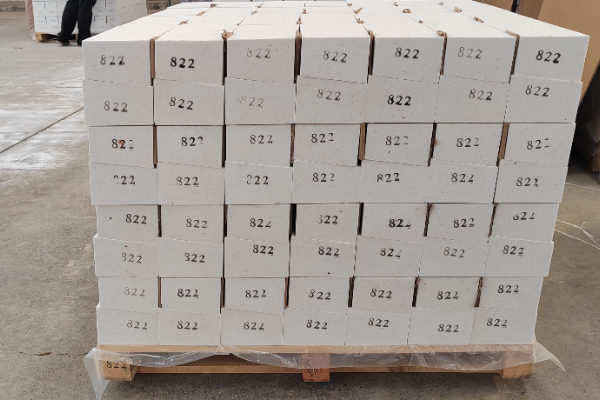
Sintered corundum brick is widely used in such industries, like high temperature ovens, steel furnaces and cement kilns, thanks to its excellent heat resistance, wear resistance and impact resistance.
Scope of application of corundum refractory bricks
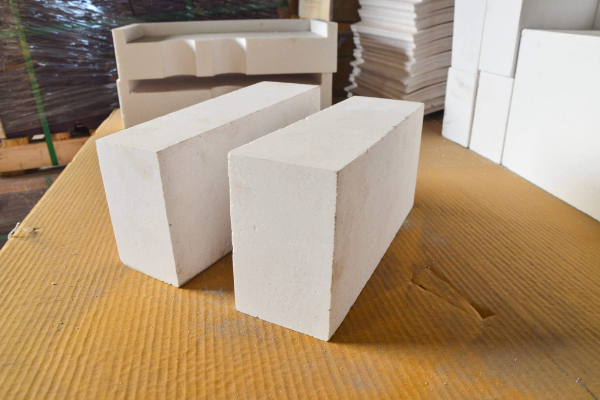
Corundum brick is widely used in many industries due to its fire resistance, heat resistance, corrosion resistance and other properties:
- Metallurgical industry: used in the lining and thermal insulation layer of blast furnaces, electric furnaces, converters, ladles and other melting equipment.
- Glass industry: The lining of glass melting furnaces takes full advantage of its heat resistance and corrosion resistance..
- Cement industry: In high temperature areas, such as lining cement kilns, It can effectively resist high temperatures and chemical corrosion.
- Ceramic industry: Has good wear resistance of the inner wall, insulating layer and other parts of ceramic furnaces.