 Rongsheng Refractories Group
The influence of the amount of graphite addition on magnesium-carbon refractory bricks
Magnesia-carbon refractory bricks – These are carbon based alkali bricks, which are made from magnesia, carbon materials, organic binders and additives and mixed, molded under high pressure and processed at low temperatures. This brick takes full advantage of alkali materials and carbon materials, therefore it has excellent thermal shock resistance, chipping, slag resistance and creep resistance at high temperatures. It is an ideal lining material for metallurgical smelting furnaces.

Characteristics of graphite
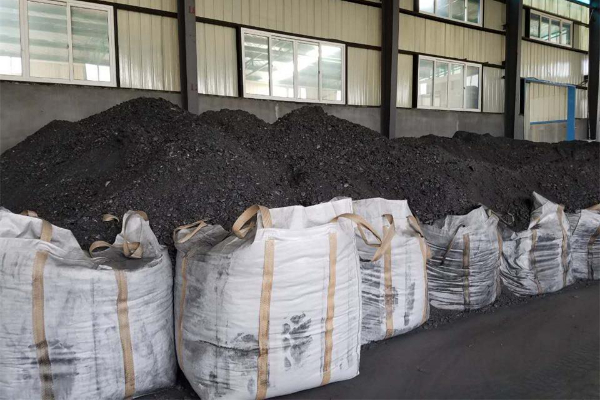
- The melting point of heat-resistant graphite is 3850℃±50℃, and the boiling point – 4250℃. Even after ultra-high arcing, the mass loss is very small, and the linear expansion coefficient is also very small. The strength of the graphite modifier increases with increasing temperature. At 2000°C, the strength of graphite doubles.
- Electrical and thermal conductivity. The electrical conductivity of graphite is twice as high, than that of ordinary non-metallic minerals. Thermal conductivity exceeds that of steel, gland, lead and other metal materials. Thermal conductivity decreases with increasing temperature, and even at extremely high temperatures, graphite acts as a heat insulator.
- Lubricity. The lubricity of graphite depends on the size of the graphite flakes. The larger the scales, the lower the coefficient of friction and the better the lubricating properties.
- Chemical stability. Graphite has good chemical stability at room temperature and is resistant to corrosion by acids, alkalis and organic solvents.
- Plastic. Graphite has very good toughness and good ductility.
- Thermal shock resistance. When graphite is used at high temperatures, it can withstand sudden temperature changes, without being damaged. With a sharp change in temperature, the volume of graphite changes slightly, and there are no cracks.
Effect of graphite on the properties of magnesia carbon bricks
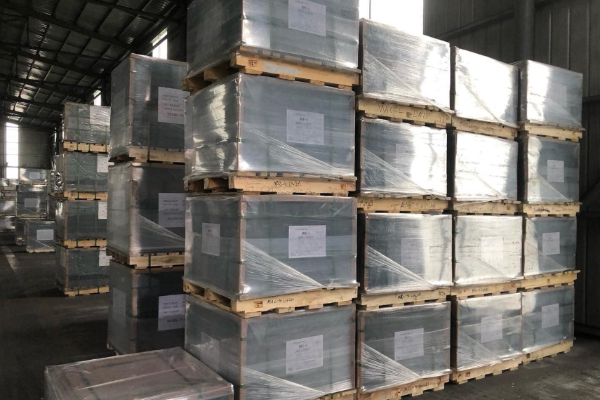
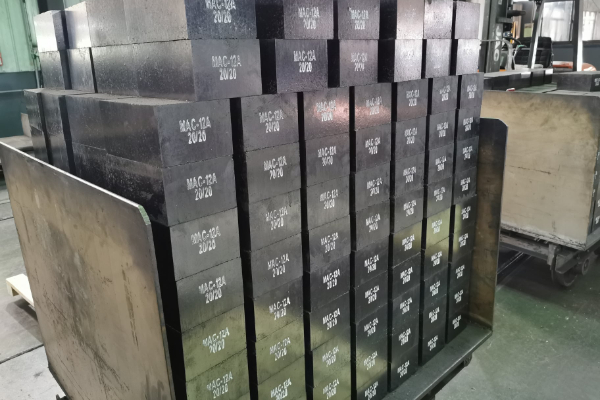
- Graphite content. With increasing graphite content, the strength of magnesia-carbon bricks decreases, the rate of thermal expansion decreases, and the residual expansion rate increases. Hence, The graphite content in bricks should be controlled at approx. 20%.
- Purity of graphite As the purity of graphite increases, the erosion rate of magnesia-carbon bricks decreases sharply, and the flexural strength at high temperatures increases significantly. Usually, graphite with a carbon content of more than 95%, preferably more 98%. Because the higher the purity of graphite, the less ash it contains and the less sio₂. When exposed to high temperatures, sio₂ can oxidize carbon in bricks, which leads to an increase in pores and a loose structure. It can also interact with MgO, fe₂o₃ etc. Forms a weak melt and accelerates the destruction of magnesia-carbon bricks. Besides, carbon has good thermal conductivity and a low expansion coefficient, and the slag is not easily wetted. Thus, this can increase the product's resistance to thermal shock and prevent slag from penetrating into the brick through the pores.
- Graphite flake particle size. As the particle size of graphite flakes increases. Its antioxidant capacity is increased. When the particle size of flake graphite exceeds 0,125 mm, antioxidant properties slowly increase. The suitable graphite particle size is 0,125 mm. Since graphite easily oxidizes to form CO, oxidized graphite loses these excellent properties, reducing the corrosion resistance of refractory materials. This is a fatal weakness of graphite and an important cause of damage to carbon-based materials.. Hence, In the actual production of magnesia carbon bricks, the amount of graphite added should be determined according to the conditions of use of carbon-based refractory materials, such as type of melting equipment, partial pressure of oxygen in molten steel and slag, slag characteristics, melting temperature and outlet temperature, etc.; The amount of graphite added can also be determined depending on, whether manufactured products emphasize corrosion resistance or thermal shock resistance, or require high strength or oxidation resistance.