Rongsheng Refractories Group
What refractory materials are used in the steel industry?
In the steel industry, refractories play a key role in protecting and maintaining high temperatures inside the furnace. Refractory materials are used for furnace masonry and maintenance, and types of refractory materials, used in every detail, different.
Types of ovens, used in the steel industry
Converter: The converter is one of the most commonly used steel furnaces. It uses oxygen blasting to oxidize and remove impurities in cast iron to produce quality molten steel.
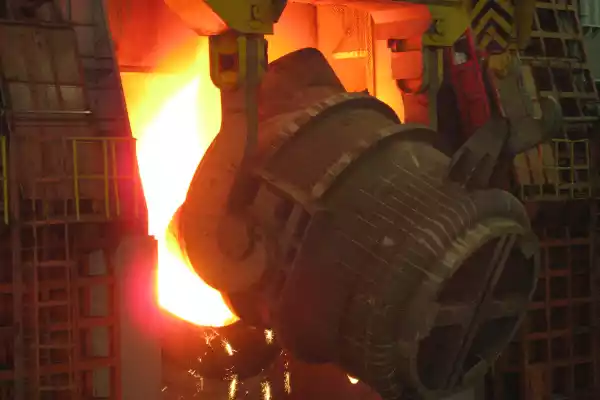
Electric arc furnace: Electric arc furnace – this device, using the high temperature of an electric arc to melt scrap steel or cast iron. It is widely used in scrap steel recycling and steel production.
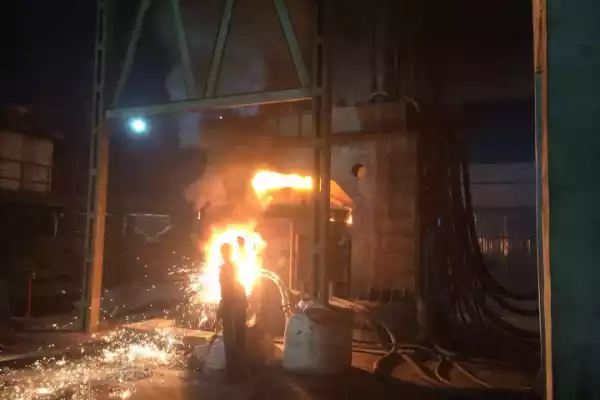
Induction furnace: Induction furnace – this device, using the principle of induction heating to melt metal materials. It is often used in small-scale and specialty steel production.
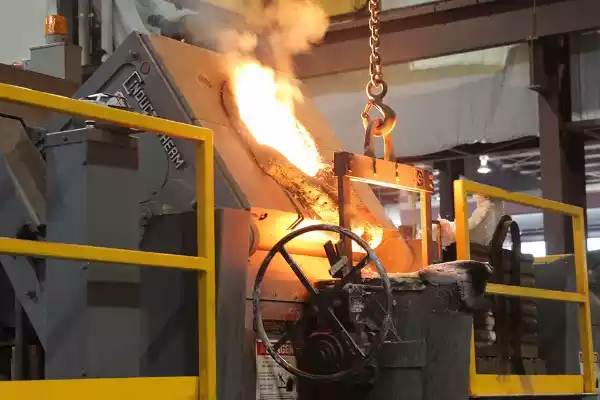
Blast furnace: Blast furnace – one of the most common steelmaking furnaces, large scale smelting equipment, used for processing iron ore into pig iron.
Refractories for the steel industry
Fire brick: used for laying the internal walls of high-temperature furnaces, such as blast furnaces, converters, electric furnaces, etc..
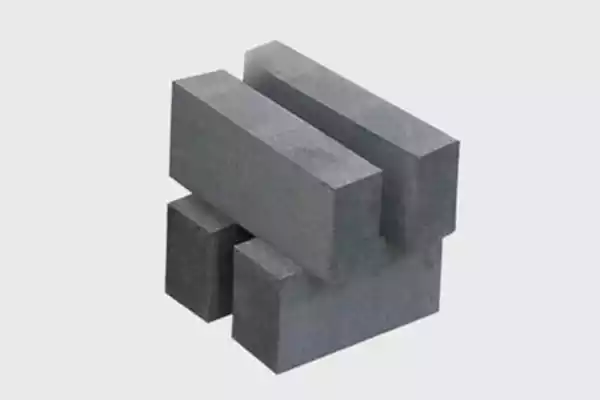
Refractory castings: used for filling and repairing various components inside the furnace, such as buckets, cast iron dampers, oven walls, etc..
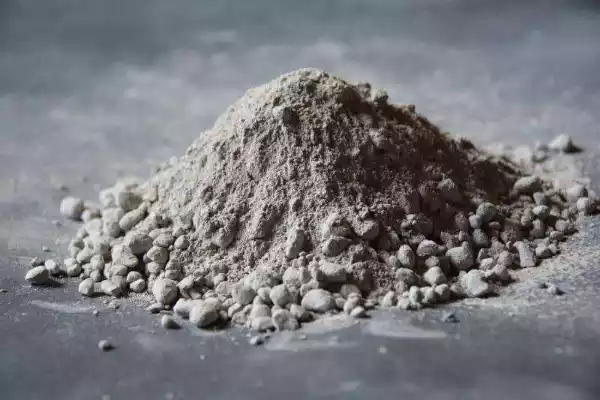
Fire resistant fiber: used for high temperature thermal insulation, heat preservation, sealing, soundproofing, etc., such as oven door insulation pads, insulation materials for pipes, etc..
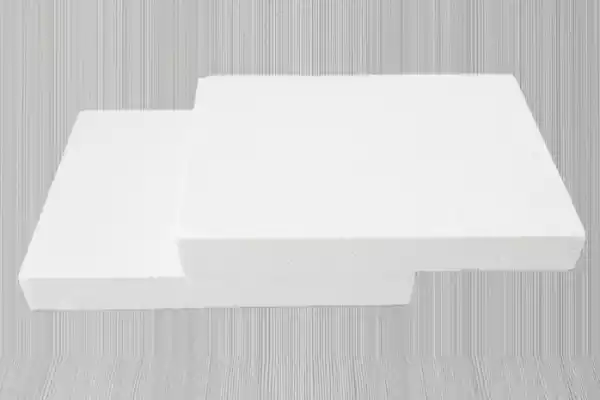
Fireproof sprayed mass: used for surface coating of various components inside the oven, such as anti-corrosion coatings, wear-resistant coatings, etc..