 Rongsheng Refractories Group
Method for forming specially shaped refractory bricks
Molding in the refractory brick production process refers to the process, in which refractory raw materials are processed into bricks of a given size and shape using external forces and patterns. There are many methods for molding refractory bricks into special shapes.. Commonly used molding methods include compression molding, vibration molding, extrusion molding, rammer, isostatic pressing, melting and casting, grouting, etc..
How to choose a method for molding special-shaped refractory bricks?
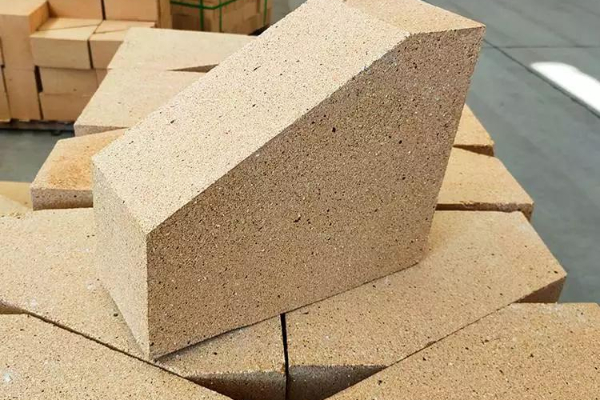
The choice of forming method is mainly based on the properties of the drilling material, shape and size of green mass and other technological requirements. In addition to the vast majority of fire bricks, which are machine pressed, Vibration molding is commonly used to form large, specially shaped refractories, Controlled pressure molding is commonly used to form tubular refractories, and plug molding is commonly used to form hollow wall refractories. Isostatic pressing is currently mainly used to produce high-performance refractory materials.
Certainly, the choice of molding method is also limited by the equipment conditions of the production plant, Therefore, some refractory bricks cannot use the best processing methods.
Refractory brick molding meets operating requirements
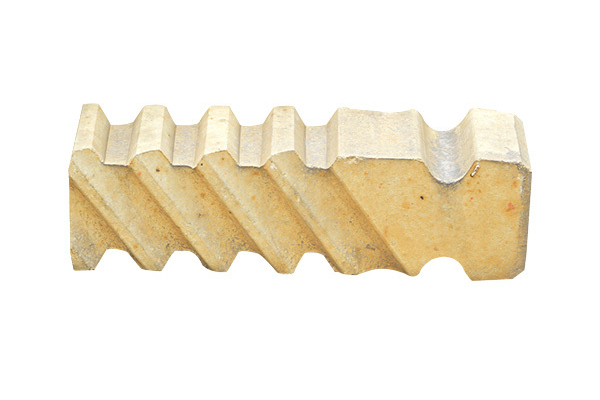
Firebrick molding, first of all, must comply with the requirements for use of the product. When laying refractory bricks it is required, so that the product has a certain shape, accurate size and sufficient strength. Secondly, molding is also an effective means of improving the physical and chemical properties of products. Molding can improve the organizational structure of products.
Method of forming refractory bricks
Depending on the moisture content in the workpiece, it can be divided into
(1) Semi-dry method: The moisture content of the raw material is approx. 5%, and it is suitable for raw materials with different clinker content (50-100%):
2) Plastic method: The moisture content of poor material is approx. 15%, which is suitable for the manufacture of products of large sizes or complex shapes.
(3) Method of grouting seams: The moisture content of poor material is approx. 40%, and it is suitable for producing various types of hollow thin-walled refractory materials.
Requirements, which the refractory brick molding must comply with
(1) Form, size and accuracy meet design requirements
(2) The structure is homogeneous and dense, no cracks on the surface or inside.
3) Have sufficient mechanical strength
(4) Meets expected physical performance requirements. Refractory brick processing process – molding. The main methods are machine compression molding, isostatic compression molding, melt molding, vibration molding, tamp molding, extrusion molding, hot compression molding, etc..