 Rongsheng Refractories Group
The production process of bubble clay -earth brick
Alumina brick, also known as alumina hollow ball brick or alumina lightweight ball brick, is a lightweight, high temperature refractory material, Typically used for thermal insulation of high temperature industrial equipment. Aluminum oxide is used as the main component in this material., and is given a spherical structure using a special manufacturing process. The inside is hollow, therefore it has low density and good thermal insulation properties.

Production of bubble alumina bricks by electromelting blowing method
The main raw material is pure oxide, which melts at high temperatures in an electric arc furnace. When the melt flows out, it is sprayed by a high pressure air stream, and after cooling and solidification, spherical particles are formed. Alumina hollow spheres are used as aggregates, and to make alumina hollow spherical bricks, alumina powder and binder are added. Lightweight Fireproof Insulating Bricks, made from such hollow spheres, can be used for lining high-temperature furnaces, in direct contact with the flame.
Process of preparing hollow aluminum oxide ball
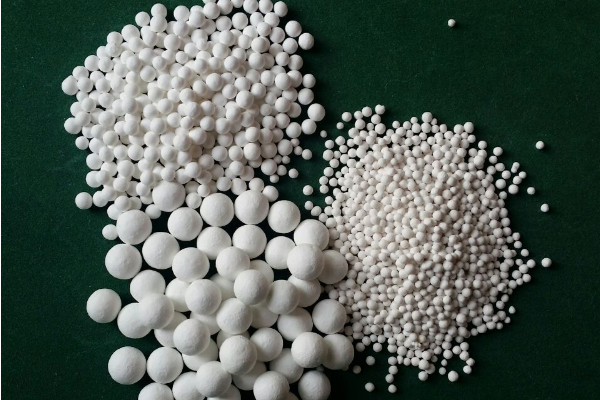
First, the alumina raw material is placed in an electric arc casting furnace and melted to a liquid state. Then tilt the oven at a certain angle, so that the melt flows out of the pouring chute at a certain speed, and the liquid flow passed through a flat nozzle at an angle of 60°~90° to the flow and carried away the liquid flow by a high-speed air flow with a pressure of 0.6~0.8MPa, serve as hollow aluminum oxide balls.
Characteristics of Alumina Bubble Alumina Brick
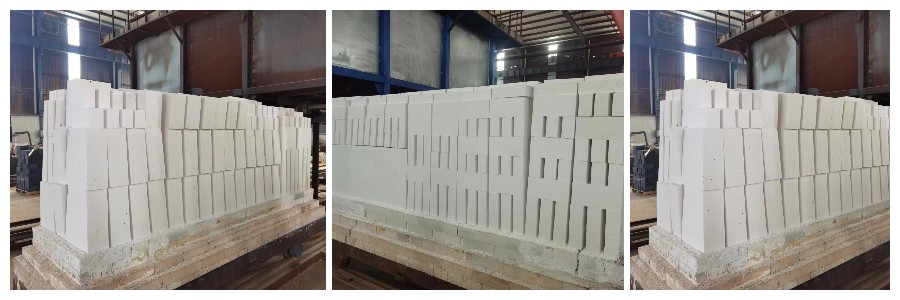
Alumina brick – It is a kind of lightweight neutral thermal insulation fireproof material with excellent ultra-high temperature and energy saving. It is made of hollow alumina ball as raw material and sintered at 1680°C. Alumina hollow ball bricks not only have low density and can optimize the design to reduce the weight of the furnace body, but also have low thermal conductivity, which provides good thermal insulation effect. It is mainly used as the lining of high temperature industrial furnaces at temperatures below 1800 ℃, such as oil, chemical industry, electronics, ceramics, fireproof materials and other industries, and plays a key role in various industries.