 Rongsheng Refractories Group
What refractory materials are used in the forge furnace
The operating temperature of the forging heating furnace exceeds 1000°C. Reasonable selection of refractory materials for making the furnace is of great importance to ensure the normal operation of the heating furnace, increasing oven life and saving energy.
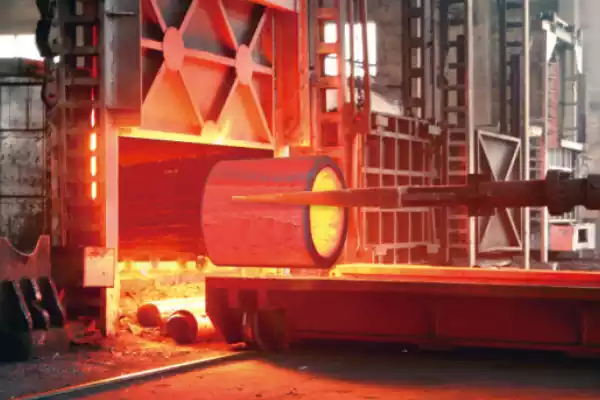
Introduction to Forging
Forging – necessary metalworking process, which plays a vital role in the manufacture of various parts and components. At high temperatures, High pressure and harsh working conditions, refractory materials are the key to ensuring the stability of the forging process. This article will introduce several co-forging refractory materials and their applications in the forging process..
Requirements for refractories for forging furnaces
- It should have the property of not deforming and not melting under sufficient temperature
- It can have the necessary structural strength at high temperatures without softening deformation
- The volume is stable at high temperatures, and the brickwork will not be deformed or cracked due to expansion and contraction
- When the temperature changes sharply or the heating is uneven, it will not crack and peel off
- Can resist the chemical erosion of metal solution, slag, furnace gas, etc.
What refractory materials are used in the forging industry??
Fire brick
In forging furnaces and heating furnaces, refractory bricks are widely used as lining materials to protect furnace structures from high temperatures and molten metal corrosion. The main fire bricks used are high alumina fire bricks, aluminosilicate fire bricks and silicon carbide fire bricks.
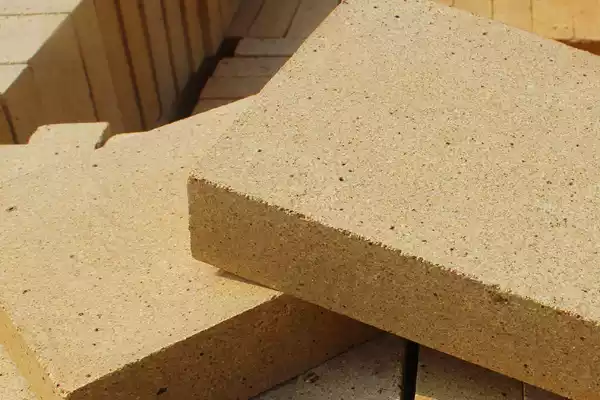
Silicon carbide crucible
Silicon carbide crucible – this is a heat resistant container, Made of silicon carbide material. In the forging process, it can be used to transport molten metals and alloys, and has excellent heat resistance and corrosion resistance.
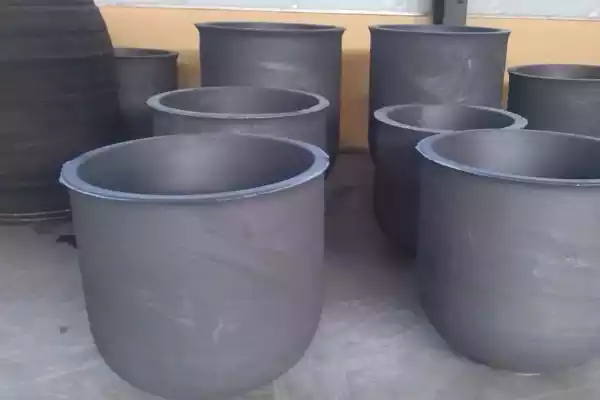
High alumina casting material
High alumina casting material – It is a type of refractory casting material, mainly consisting of high alumina aggregate and binder. It has good heat resistance and thermal shock resistance and is widely used in forging molds, to withstand high temperature metal pouring.
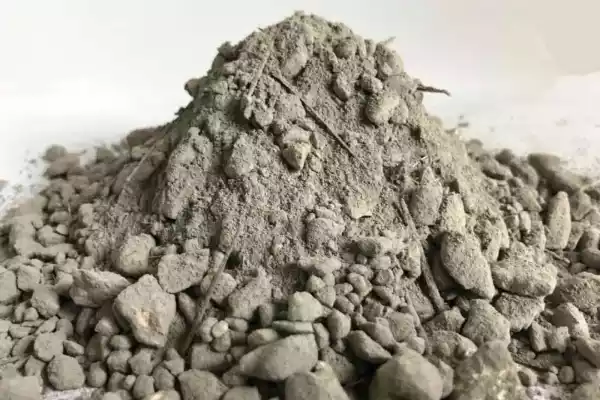
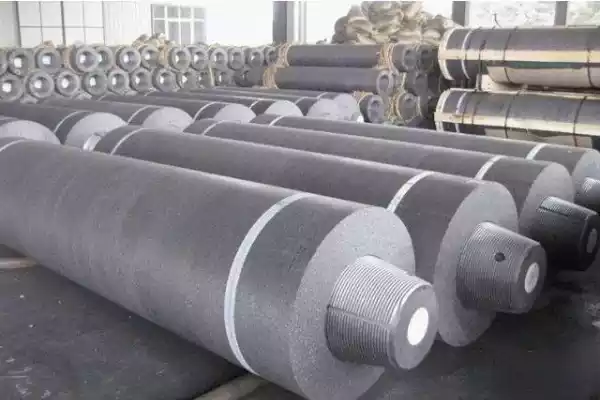
Graphite electrode
Graphite electrode – it is fireproof material, used in high temperature electric arc furnaces to heat metal materials to a high temperature state. In the forging process, graphite electrodes are usually used to heat and maintain the forging temperature, to ensure a smooth forging process.
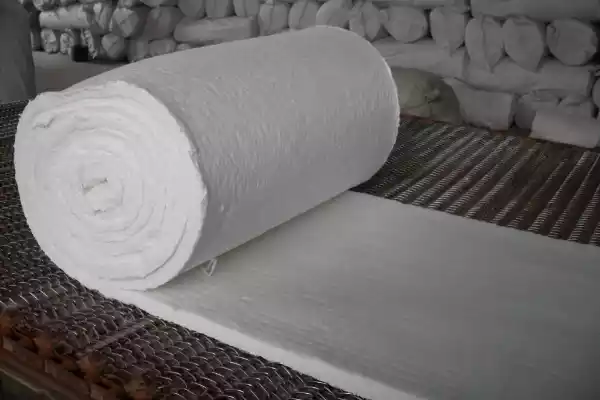
ceramic fiber coating
Ceramic fiber coating – it's easy, heat resistant insulating material. It is often used for thermal insulation of forging equipment to reduce thermal energy loss and improve heating efficiency..
Fireproof coating
Fireproof coating – it is fireproof material, used to cover the surface of forging equipment. It has the following properties, like heat resistance, corrosion resistance and wear resistance, which can extend the service life of forging equipment and improve work efficiency.
How to choose refractory materials for different parts of the forge furnace?
Refractory forging materials play a vital role in the forging process. They can protect equipment and structures at high temperatures, high pressure and harsh working conditions, ensuring a stable and efficient forging process. According to different forging processes and equipment requirements, selecting suitable refractory materials is a key step to ensure the success of the forging process. You can contact us for advice. Rongsheng Refractories has 20 years of experience in producing refractories.